Photography
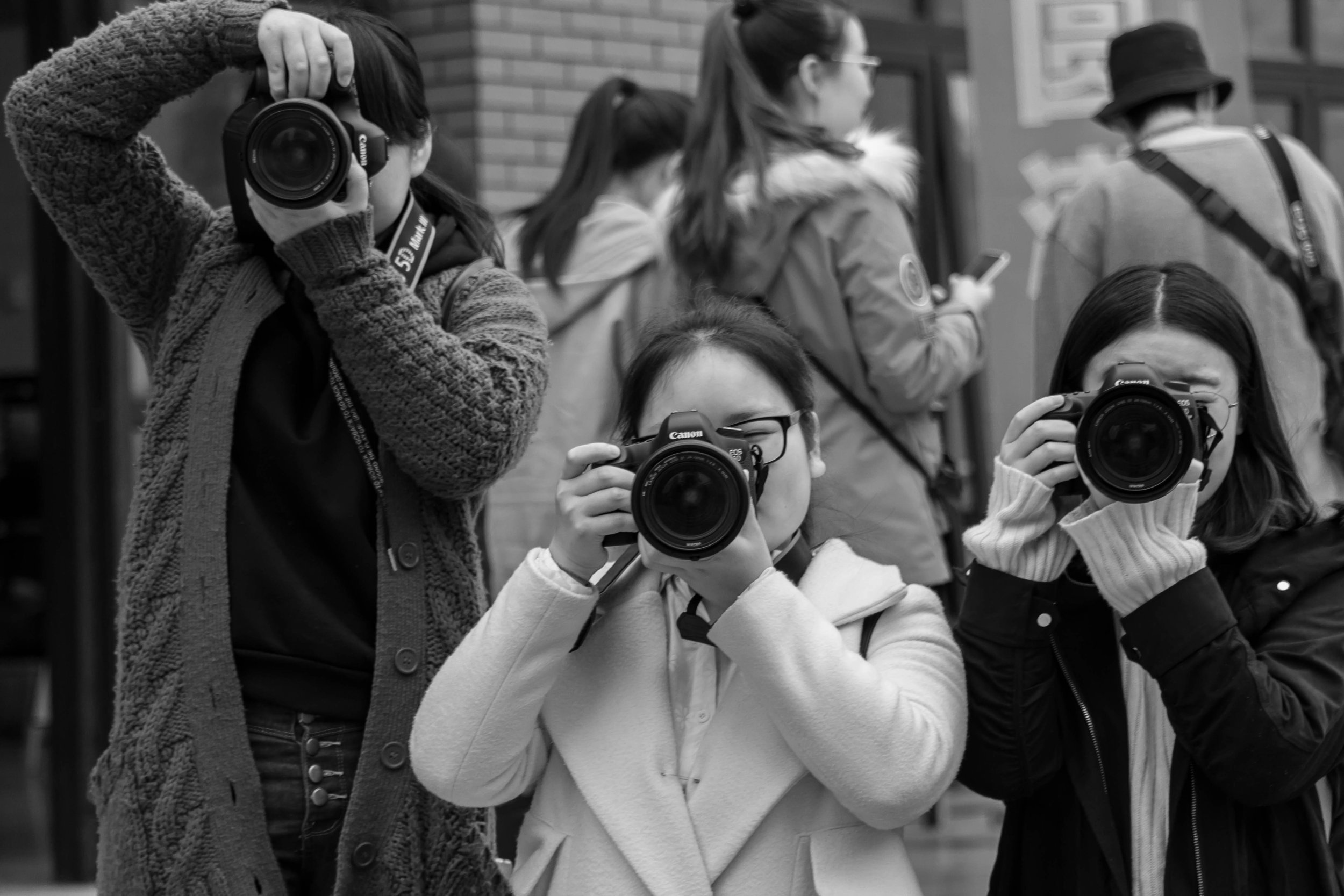
Photography is your window into the world—your way of capturing story, emotion, and perspective through images.
Turning that vision into a lifelong creative career begins with choosing the right photography program and shaping an application that truly reflects your artistic voice. With so many visual arts and photography schools to choose from, it can be challenging to know which programs align with your goals—or how to make your portfolio stand out in a competitive admissions process.
At Best Fit Education, our advisors specialize in visual arts and photography admissions, helping you explore your artistic interests, clarify your long-term goals, and identify the schools where you will thrive. We offer expert support with portfolio development, photography program requirements, artistic assessments, and application strategy, ensuring your work reflects the unique perspective you bring to your craft.
Let us help you find the photography program where your vision—and your future—can come into focus.
Learn more about the Performing and Visual Comprehensive Plan here
-
Fine art photographer
Commercial photographer
Photojournalist
Fashion photographer
Sports photographer
Wildlife photographer
Bio-medical photographer
Arts educator
Arts administration
Arts business management
Entrepreneur
-
An experienced expert to guide you through each step of the college admissions process.
A strategy to create applications and portfolios that position you to stand out.
A plan for choosing coursework and extracurricular activities.
Organizational strategies to manage important tasks and deadlines to keep you focused and on schedule.
A mentor to help you through the college essay writing process.
An experienced editor to help you polish your essays and supplemental materials.
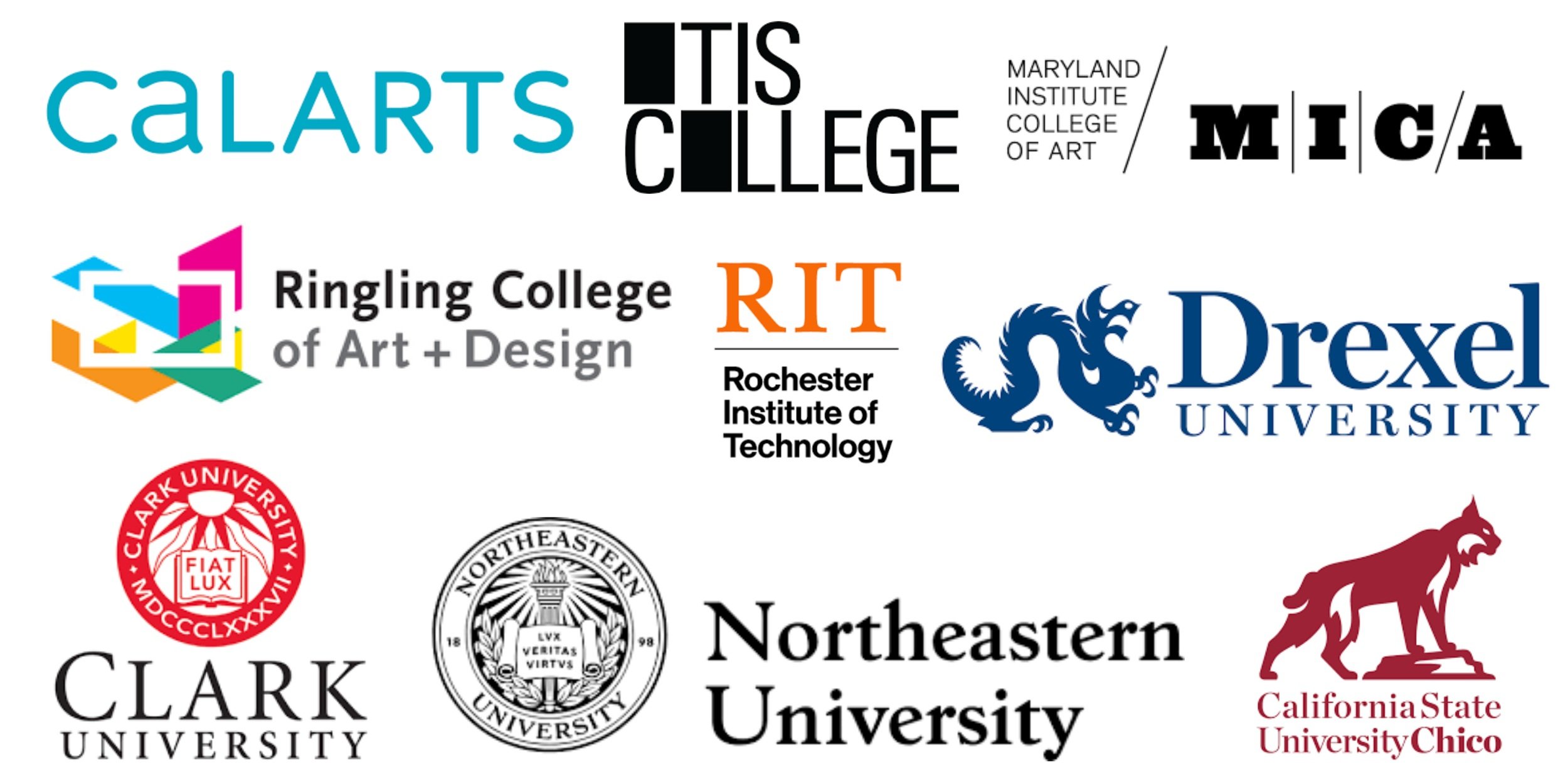
Our studio arts and design students have been accepted to these excellent programs.
Check out ALL the schools that our students have been accepted to.



A portfolio is a collection of your best artwork. It highlights your experience, showcases your ideas and skills, and demonstrates your ability and potential as an artist.

Schools often require visual and performing arts applicants to submit a general resume, artistic resume, repertoire list, and in some cases an artist statement, one-minute video introduction, and a headshot. Even when these materials are an optional requirement, supply them!
Choosing among several possible creative degrees—whether for the performing or visual arts—depends on what you want to study, which school might fit your goals best (and how it labels the degree program), and what you see yourself pursuing after you graduate.
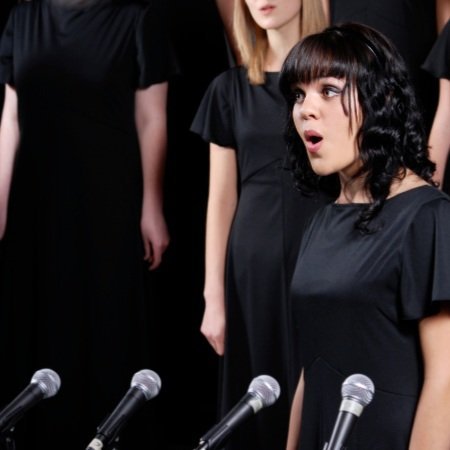
Leadership is a key element that college admissions officers look for in their applicants along with qualities such as responsibility, time management, dedication, and hard work. Leadership is one of the best and most impactful ways to show character and exceptional extracurricular involvement.

Crunch time looms large for college applications! This creates stress in most households. Here are some tips for parents to learn how to balance your participation in the process.

If you are a rising senior planning to attend college, you are probably working on narrowing your list of schools you will apply to right now. Once that list has been finalized, the next decision is how you plan to apply to each school.

The Common App essay gives you a chance to show the readers—who may not get to meet you face-to-face—what kind of person you are beyond your courses, grades, and test scores. Much of this advice applies to any piece of writing required in the application process. Use these ten tips to help you get started.

Students are more likely to succeed and thrive in a right-fit environment. College advisors strive to find that right environment for your child. We help your child understand themselves, what is important to them, and what they want out of the college experience.


Reading is not only a great escape from the real world and fun, it helps you prepare for college! College courses are demanding and require large amounts of time spent reading.

Just as the Common App essay is a place to describe a part of yourself that isn’t reflected in the rest of the application, use the activities list to help flesh out your story.

The first two years of high school is the time to explore new interests. If you already know you want to pursue a visual or performing arts major in college, these early years are also the time to lay the foundation for your specialty, create valuable connections with your advisors, and learn from your fellow students.

Specialized summer arts opportunities immerse you in the life of a visual or performing arts student, prepare you for the complicated application project, and can give you an immeasurable return on your investment.


Here are some ways you can help your high schooler figure out the best environment for their individual learning style and how they study best.

You show your academic side through your transcript, GPA, and test scores, but you can reflect more deeply about who you are as a person and an artist through your artistic resume and activity list and, most importantly, your writing.
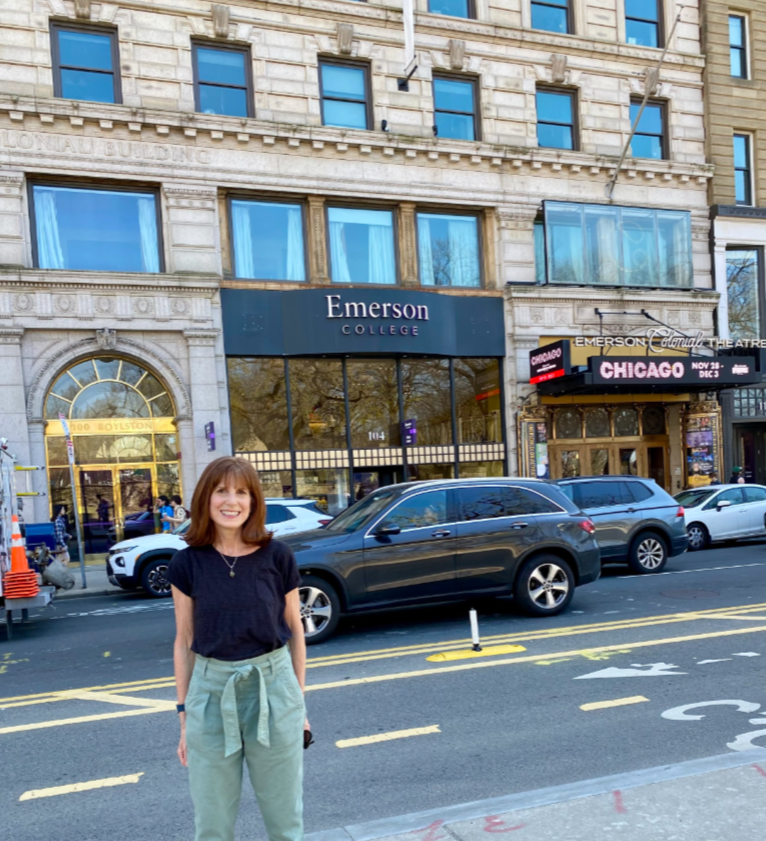
I just came back from a whirlwind, but exhilarating visit to six Boston schools. With this fresh in my mind, I have some tips on planning your college visits and maximizing your time on campus.

It’s like alphabet soup—BA, BM, BME, BFA, BMT. They’re all music degrees, right? Yes, but the curriculum is very different and geared to what you want to do with your career.